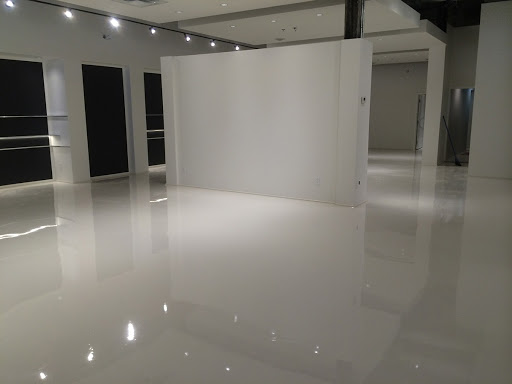
When creating strong, durable, and visually appealing industrial floors, choosing the right industrial epoxy floor coating is key. Epoxy coatings are known for their superior strength, chemical resistance, and long-lasting protection. They provide a seamless, glossy finish that enhances safety, hygiene, and efficiency across manufacturing plants, warehouses, and commercial spaces. In India, where industries operate under demanding conditions, selecting the right epoxy flooring solution can significantly improve performance, maintenance, and overall cost efficiency.
What Makes Epoxy Flooring the Best Choice for Industrial Use?
Epoxy floor coatings are a blend of resins and hardeners that, when combined, form a rigid plastic material. This coating adheres strongly to concrete surfaces, forming a hard, durable layer that resists wear, impact, and corrosion. The best industrial coating provides long-term protection against heavy traffic, chemicals, and thermal shocks, common challenges in industrial environments.
Industries such as pharmaceuticals, food processing, automotive, and manufacturing often choose epoxy flooring for its ability to provide a clean, glossy surface that resists dust, oil, and stains. Additionally, it improves light reflection in the workspace, creating a brighter, safer environment.
Key Factors to Consider When Choosing the Best Industrial Epoxy Floor Coating
Selecting the right epoxy system is not a one-size-fits-all process. The best solution depends on several operational and environmental factors:
1. Surface Type and Condition
Before application, assess the condition of your existing floor. If the concrete is new, slightly porous, and clean, standard epoxy will adhere well. For older or damaged floors, you may need to carry out some repairs and surface preparation before applying the primer or a self-levelling epoxy to ensure a smooth finish.
2. Load and Traffic
For heavy-duty environments with forklifts, machinery, or constant foot traffic, high-build epoxy coatings or trowel-applied systems are recommended. These options offer enhanced impact resistance and can handle greater mechanical loads without cracking.
3. Chemical Resistance
Industries dealing with solvents, oils, or acids should choose chemically resistant epoxy formulations. The best industrial epoxy floor coating for chemical plants or pharmaceutical units includes specialised additives that prevent degradation from spills or harsh cleaning agents.
4. Temperature and Humidity
Epoxy coatings can react differently under varying temperatures. For Indian climates, especially in humid or coastal regions, it’s essential to select a coating formulated to withstand moisture and temperature fluctuations.
5. Safety Requirements
For workplaces where slip resistance is crucial, such as food manufacturing or automobile workshops, anti-slip epoxy coatings are the ideal choice. They incorporate fine aggregates that provide traction without compromising aesthetics.
6. Aesthetic and Branding Goals
Epoxy coatings come in various colours, finishes, and gloss levels. Businesses often customise floor colours to align with safety zones, operational markings, or brand identity.
Types of Industrial Epoxy Floor Coatings
To choose the best industrial epoxy floor coating, it’s helpful to understand the main types available:
1. Self-Levelling Epoxy
Perfect for smooth, even surfaces, this coating provides a seamless and glossy finish. It is often used in warehouses, showrooms, and pharmaceutical facilities for easy cleaning and a professional appearance.
2. Screeds/Mortars
The most durable of all types, mortar epoxy is ideal for areas exposed to heavy machinery and high impact. It can also repair cracks before coating.
3. Insulation Flooring
Designed for industrial environments to provide protection against electrical leakages, high breakdown voltage and to enhance durability and self levelling surface finishing.
4. Conductive Flooring
A fibre-free coatings that safely dissipates electrostatic discharge (ESD), protects equipment and personnel from high voltage accidents, prevents electrical shocks, and reduces the risk of arc flashes, short circuits, and dielectric breakdown
5. PU Concrete
A polyurethane-modified cementitious flooring system designed to protect concrete substrates from chemical corrosion, abrasion, impact, and thermal shock to ensure superior strength and durability.
Application Process for Epoxy Flooring
The success of the best industrial epoxy floor coating depends not only on the product but also on the application process.
- ✓ Surface Preparation: The floor must be cleaned, degreased, and mechanically ground to ensure good adhesion.
- ✓ Primer Application: A primer layer improves bonding between the concrete and the epoxy.
- ✓ Base Coat: The main epoxy coat is applied evenly and allowed to cure.
- ✓ Top Coat: This provides additional protection, gloss, and colour stability.
Partnering with an experienced provider like Chembond ensures proper surface preparation, product selection, and professional installation for optimal results.
Benefits of Choosing the Best Industrial Epoxy Floor Coating
- ✓ Durability: Resistant to heavy loads, abrasion, and impact.
- ✓ Chemical Protection: Shields floors from oil, acids, and alkalis.
- ✓ Hygienic and Easy to Clean: Perfect for food-grade and pharmaceutical areas.
- ✓ Aesthetic Appeal: Available in multiple finishes and colours.
- ✓Cost-Effective: Low maintenance and long lifespan reduce operational costs
When you invest in the best industrial epoxy floor coating, you gain efficiency, safety, and long-term value.
Why Choose Chembond Material Technologies for Your Epoxy Flooring Needs
Chembond Material Technologies has decades of expertise in industrial coatings and flooring systems tailored for Indian industries. Whether you need high-build epoxy for heavy manufacturing or a seamless finish for cleanrooms, Chembond delivers customised, durable, and high-performance coating solutions.
Looking for guidance on selecting the best epoxy solution for your facility? Consult Chembond Material Technologies’ experts today for a site evaluation and tailored recommendation.
Frequently Asked Questions
What is the best industrial epoxy floor coating for heavy machinery areas?
Heavy Duty system of screed and topcoat coatings are the most durable, as they offer exceptional impact and load resistance for manufacturing and mechanical zones.
How long does industrial epoxy flooring last?
With proper surface preparation and maintenance, epoxy floors can last 5 to 10 years, depending on usage intensity and environment.
Can epoxy floors be used in the food and pharmaceutical industries?
Yes, epoxy coatings are seamless, hygienic, and easy to clean, making them ideal for environments requiring strict hygiene standards.
How long does it take to install epoxy flooring?
Typically, installation depends on the type of system along with the area size and curing time required. Generally, after 3 days of application, light movement is allowed on the coating, however, 7 days of curing time is required for withstanding all the mechanical & chemical properties in full load conditions.
Is epoxy flooring suitable for Indian climate conditions?
Absolutely. With the proper formulation and professional application, epoxy floors perform well in India’s varying temperature and humidity conditions.