Metal treatment chemicals are indispensable to modern manufacturing; they clean, prepare, and protect metal surfaces before finishing or assembly. Whether it’s degreasing in automotive plants or phosphating in fabrication yards, these chemicals do the heavy lifting in surface engineering.
But here’s the truth: most operations learn the hard way. For example, a chemical that improves a finish can also burn skin, release harmful vapours, or corrode equipment if not handled properly.
At Chembond, we don’t treat chemical safety as an afterthought. It’s designed into our systems, taught during deployment, and audited during use. This guide lays down clear, actionable practices for anyone involved in using, storing, or managing metal treatment chemicals, whether in a shop floor setting or a large-scale industrial line.
What Metal Treatment Chemicals Actually Do
Metal treatment chemicals are engineered to modify, clean, or enhance the surface of metals before further processing. They form the invisible layer that makes coatings stick better, parts resist corrosion longer, and finishes hold up under stress.
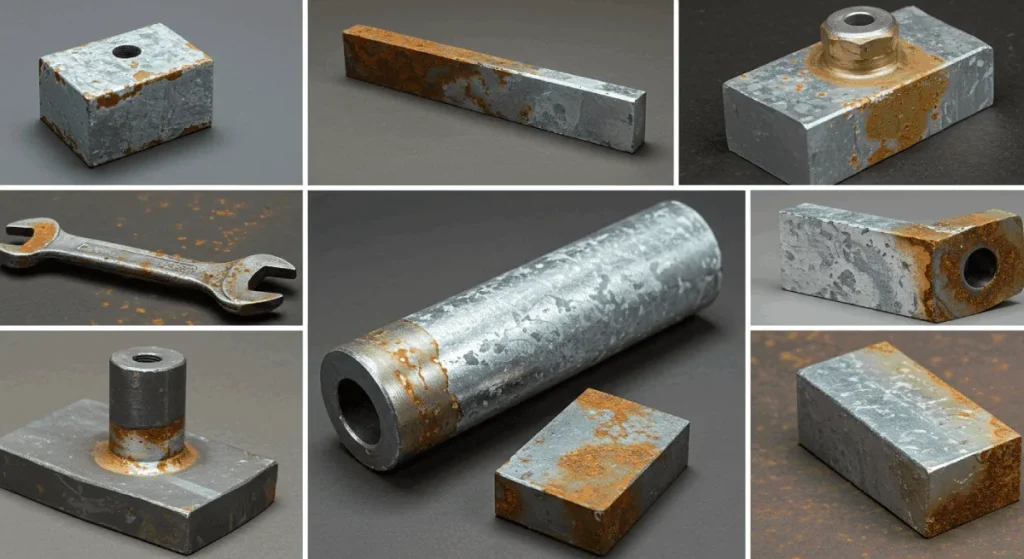
Common Types of Metal Treatment Chemicals:
- ✓ Derusting Agents: Remove oxide layers and corrosion from metal surfaces
- ✓ Degreasers: Strip oil, grease, and machining residue before coating
- ✓ Phosphating Solutions: Improve paint adhesion and corrosion resistance
- ✓ Pickling Solutions: Remove scale, rust, and surface impurities
- ✓ Passivation Fluids: Stabilise stainless steel surfaces by removing free iron
These chemicals are used across sectors, automotive assembly lines, steel fabrication units, OEM suppliers, and even electronics, where surface prep is critical. And while the formulations vary, the operational goal is always the same: surface integrity and long-term performance .
At Chembond, our product lines are developed to meet these application-specific needs, with clear protocols for safe handling, dilution, and application.
Hazards and Risks to Be Aware Of
Metal treatment chemicals are effective because they’re reactive. That same property makes them potentially hazardous if used without proper precautions.
Common Risks in Industrial Settings:
- ✓ Chemical Burns: Acid-based pickling agents and descalers can cause severe skin and eye damage on contact.
- ✓ Fume Inhalation: Vapours from solvents or strong acids can irritate airways, especially in poorly ventilated areas.
- ✓ Reactive Mixing: Incompatible chemicals (such as acids and alkalis) can release heat or toxic gases if combined.
- ✓ Spillage Hazards: Leaks during transfer can corrode surfaces, damage flooring, or contaminate drainage lines.
Where Problems Usually Start:
- ✓ Unlabelled drums or containers
- ✓ Inadequate PPE during decanting or mixing
- ✓ Improper disposal or rinse-off routines
- ✓ Poor training on what to do during minor spills or exposure
These aren’t rare cases. They’re the kind of incidents that creep into operations slowly until something fails or someone gets hurt. That’s why safe usage isn’t just a checklist; it needs to be part of how the site functions.
Storage Guidelines – Avoiding Accidents Before They Happen
Storage is the first line of defence against accidental exposure or degradation. Most failures linked to metal treatment chemicals don’t happen during application; they start where the chemicals are kept.
Best Practices for Storage:
- ✓ Temperature Control: Store chemicals in well-ventilated, shaded spaces away from direct sunlight and heat sources.
- ✓ Container Integrity: Use manufacturer-supplied drums or corrosion-resistant containers. Never repurpose used containers unless explicitly approved.
- ✓ Label Everything: Labels should include the chemical name, hazard classification, handling notes, and expiry (if applicable).
- ✓ Segregate by Reactivity: Acids, alkalis, oxidisers, and flammables should be stored separately, ideally with physical barriers or separate containment zones.
Site-Level Tips:
-
- ✓ Don’t store above head level, accidental spills from height can cause serious injury.
- ✓ Keep neutralising agents nearby (e.g., lime for acids, vinegar for alkalis) if your facility allows for emergency neutralisation.
- ✓ Drip trays or bunding under containers help catch accidental leaks and avoid surface contamination.
- ✓ Always follow MSDS guidelines specific to the chemical being stored.
Chembond’s metal treatment products come with technical data sheets and safety documentation that include recommended storage guidelines. These documents should be reviewed by any team handling chemical stockpiles or reordering supplies.
Handling Protocols for Daily Use
Daily handling is where most exposure risks occur, especially during dilution, transfer, or application. Even minor negligence with metal treatment chemicals can lead to burns, vapour exposure, or equipment damage.
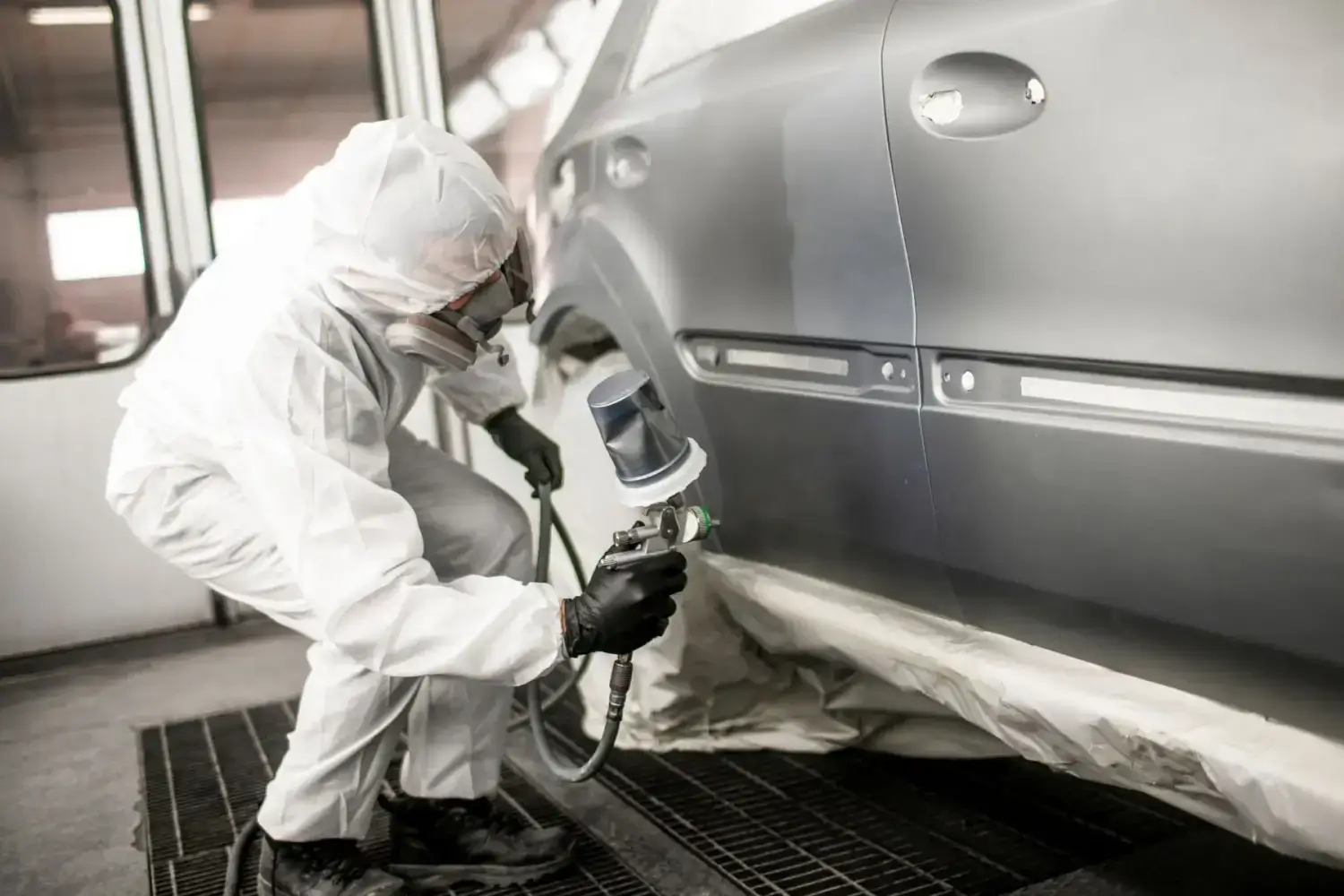
Basic PPE Requirements (Always Based on MSDS):
- ✓ Chemical-resistant gloves (rubber, nitrile, or neoprene)
- ✓ Safety goggles or face shields
- ✓ Long-sleeve protective clothing
- ✓ Respiratory masks (in areas with vapour risks)
- ✓ Non-slip boots or closed footwear

Operational Do’s and Don’ts:
| Do | Don't |
|---|---|
| Use chemical-resistant tools and containers | Never use metal utensils unless specified as safe |
| Dilute acids by adding acid to water (never the reverse) | Don’t store or handle in areas with open flames or heat |
| Ensure proper ventilation during open handling | Avoid working without PPE, even for “quick” tasks |
| Train all team members, not just supervisors | Never mix products without verifying compatibility |
At Chembond, each metal treatment chemical is supplied with detailed handling instructions, including first-use guidance for dilution, pH adjustment, or equipment compatibility.
Emergency Response and Spill Management
When dealing with industrial-grade chemicals, having a response plan isn’t optional; it’s critical. A small spill or exposure incident can escalate fast without the right tools and training in place.
If Exposure Occurs:
- ✓ Skin Contact: Rinse immediately with running water for at least 15 minutes. Remove contaminated clothing.
- ✓ Eye Contact: Use an eyewash station or sterile saline. Avoid rubbing the eyes.
- ✓ Inhalation: Move to fresh air. If symptoms persist, seek medical assistance.
- ✓ Ingestion: Do not induce vomiting unless directed by medical personnel.
Always refer to the product’s Safety Data Sheet (SDS) for chemical-specific procedures. These documents outline both first-aid and escalation protocols.
In Case of a Spill:
- ✓ Contain the spill using sand, absorbent pads, or chemical spill kits.
- ✓ Avoid flushing into drains unless the material is neutralised and drain-safe.
- ✓ Use appropriate PPE during cleanup, especially eye and respiratory protection.
- ✓ Dispose of waste according to local hazardous waste handling rules.
Chembond products are supplied with technical and safety documentation. We recommend that these documents be reviewed and kept accessible at every site using metal treatment solutions.
Environmental and Regulatory Compliance
Handling metal treatment chemicals doesn’t end with safe usage; it includes how you dispose, store, and neutralise them without harming the environment or violating local laws.
Compliance in the Indian Context
Facilities using metal treatment chemicals are subject to:
- ✓ CPCB (Central Pollution Control Board) norms
- ✓ Hazardous Waste Management Rules (2016, amended)
- ✓ Factories Act, 1948 – Sections on chemical handling
- ✓ Local State Pollution Control Board (SPCB) permits and inspection norms
Depending on chemical type and volume, your site may also require:
- ✓ Effluent treatment plants (ETP)
- ✓ Spill response SOPs
- ✓ Waste tracking and manifest records
Responsible Disposal and Environmental Protection
- ✓ Never pour unused or spent chemicals into open drains or untreated land
- ✓ Segregate waste based on chemical reactivity, acids, alkalis, and oxidisers
- ✓ Neutralise before disposal when applicable (e.g., acid with lime)
- ✓ Ensure storage containers are leak-proof, labelled, and capped
- ✓ Maintain updated MSDS folders for all active chemicals
Chembond’s chemical formulations are designed with regulatory safety in mind, including options with lower VOC content, better biodegradability, and safer rinse-off profiles for use in compliant industrial zones.
Safety Is Built, Not Assumed
Metal treatment chemicals are essential to how modern industry prepares, protects, and finishes metal. But their effectiveness means nothing if they’re stored carelessly, handled without protection, or selected without regard to surface conditions.
Safety in chemical use isn’t about luck; it’s about planning, consistency, and using products the right way from day one.
At Chembond Material Technologies, we supply a broad portfolio of metal treatment chemicals and support clients with product-specific storage, application, and safety guidelines based on industry standards and technical documentation.
Talk to our technical team about choosing and using metal treatment chemicals the right way.
Frequently Asked Questions (FAQs)
1. Can metal treatment chemicals be used on non-ferrous metals like aluminium or zinc?
Yes, but only specific formulations. Using iron-focused chemicals on non-ferrous substrates can cause surface pitting or improper adhesion. Always verify compatibility.
2. What’s the safest way to dispose of used chemical baths?
Spent baths should be neutralised (if required), filtered for solids, and routed through an ETP. Disposal must follow CPCB and SPCB rules for hazardous waste. Never drain untreated waste directly.
3. How often should storage areas and PPE be inspected?
Storage areas should be reviewed weekly for leaks, corrosion, or expired stock. PPE kits should be checked at the start of each shift, especially gloves and masks that degrade with use.