Any surface exposed to heat, chemicals, or weather eventually gives way – unless it’s protected right, from the start. It’s frustrating when coatings peel, crack, or corrode early; the cost of rework hits harder than most expect.
From power plants to pharma facilities, the pressure to choose coatings that last is no small task. Everything – from surface prep to application conditions – can affect performance, making decisions tricky and stakes high.
At Chembond Material Technologies, we work closely with engineers, developers and contractors facing exactly these pressures. We help you choose high-performance coatings that suit your project, resist failure, and meet Indian site demands.
Industrial Overview of High Performance Coatings
Definition and Scope
Every industrial site has surfaces that take a daily beating – be it from heat, moisture, abrasion, or chemicals. High performance coatings step in here with very specific traits. These coatings usually offer resistance to corrosion, aggressive chemicals, UV exposure and even extreme heat.
You’ll find them in refineries, marine rigs, and power plants – any setting where failure isn’t an option. They’re specially made to thrive under hostile conditions and avoid frequent rework or replacements.
Key Functional Roles
Beyond looks, these coatings act like armour. They protect metal, cement, plastic, and more from wear and chemical reaction.
Some enhance grip; others prevent static or heat transmission. Their key strength lies in how they shield surfaces from weather damage, chemical splashes, and rough handling – without letting the integrity break down. Coatings like KemOxy 513 EPN from our line combine strength with heat and chemical tolerance for such roles.
Advantages and Limitations
The biggest reward is longevity. Once coated, machinery or tanks can survive years without major touch-ups.
When breakdowns are minimised, so is downtime and cost. But coating correctly means careful preparation and expert application. Errors in mixing or environmental conditions can cause failures. Though upfront costs are higher, the lifetime performance these coatings offer easily overshadows the risks when done right.
Types and Classifications of High Performance Coatings
Categorisation by Material Base
The material type decides how the coating behaves. Epoxies, like our KemOxy range, are known for their chemical and mechanical strength.
Polyurethanes offer flexibility and UV resistance, making them valuable in outdoor structures. Ceramics, on the other hand, serve industries demanding thermal insulation and insulation from extreme environments. Your use case determines what fits best – no coating is one-size-fits-all.
Coatings by Performance Capabilities
When operations get hot – literally – temperature-resistant options like our KemGuard HR series come into play. For corrosive sites like coastal units or chemical tanks, our epoxy-based glass flake products hold strong.
Chemical splashes, whether in pharma labs or coal washing plants, call for coatings with strong solvent resistance that don’t degrade easily under constant exposure. The trick lies in matching protective strength with the challenge faced by your facility.
Application-Based Variations
From engines to marine platforms, the coating type adjusts to each setting. Automotive and aerospace units rely on coatings that can take loads and resist heat.
Marine rigs battle salt and sun, so our salt spray-resistant formulations are crucial. In energy and medical industries – non-toxicity and reliability even under pressure are top priorities. At Chembond Material Technologies, we adjust chemistry to meet both traction and safety goals across all sectors.
Practical Applications in Industrial Use
Sector-Wise Applications
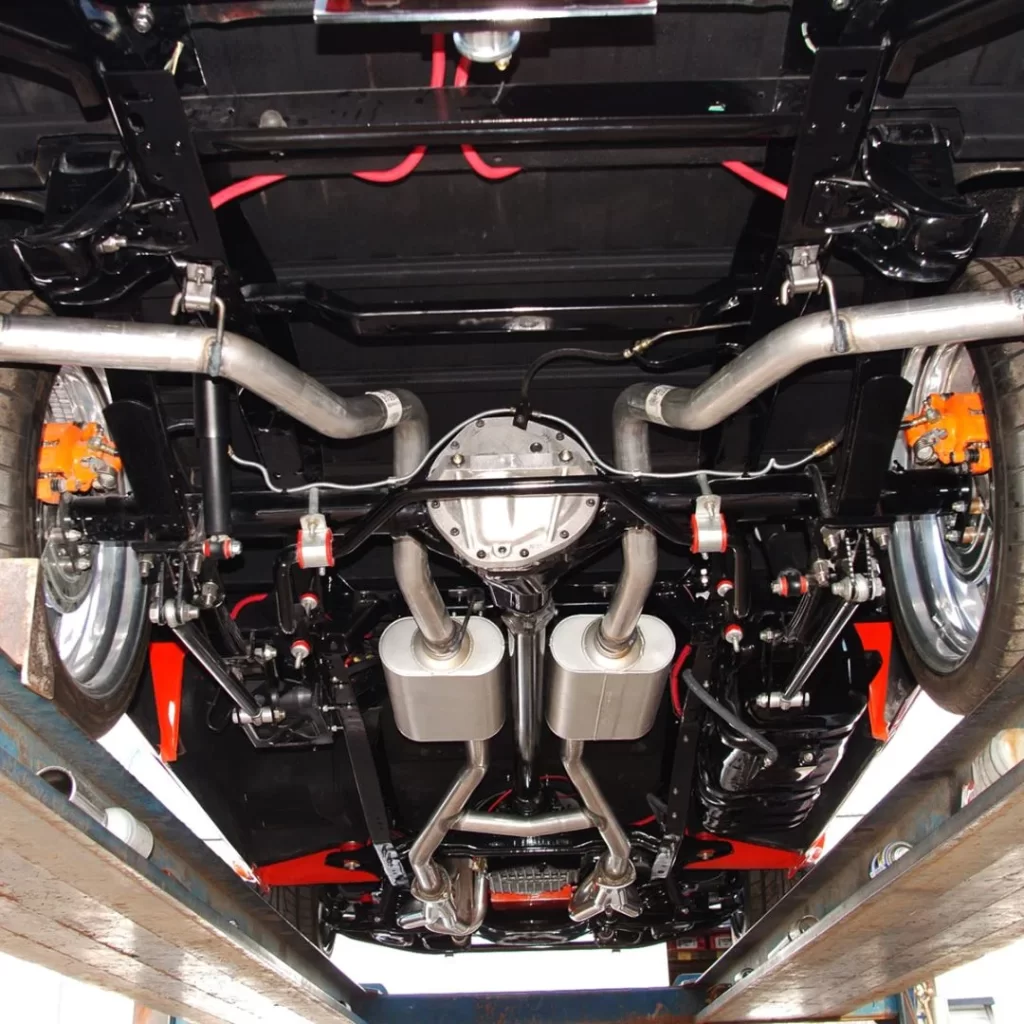
Heavy machinery, beams, and trailers in transport or mining industries crush through daily stressors. Here, surface-tolerant coatings like KemGuard 555 HB fight off rust and denting.
Outdoor construction platforms need armour against both sun and rain. Chemical-resistant coatings fit wood or fibreglass panels used around storage or handling zones. Whatever the surface – iron, wood or plastic – we customise the match to give peak protection.
Emerging and Specialised Applications
In the food and pharma sectors, the coating has one more job – safety. KemOxy 313 FG meets stringent food-contact standards without harming the contents inside.
Medical devices or room panels benefit immensely from antimicrobial coatings. These prevent microbes from settling or growing. Agricultural storage or processing equipment now demand coatings that survive fertiliser and pesticide splashes without peeling or reacting.
Industry Challenges
Sometimes even the best product can fail if something in the process goes wrong. Poor surface prep or wrong mix ratios lead to blistering or peeling.
Environmental moisture, extreme temperatures, or dust can ruin adhesion. We often do coating failure analysis to fix issues quickly. It starts with rechecking processes – from cleaning to curing – and correcting defects early before they balloon into cost-heavy problems.
Application Techniques and Pre/Post Processes
Surface Preparation and Priming
Every solid build starts with a strong base – and coatings are no different. Cleaning the surface removes unseen grime that blocks adhesion. Then comes priming with customised products like KemOxy 301 or KemOxy 305.
Controlling air temperature and humidity can drastically spike performance. It makes sure the primer locks firmly into the surface, reducing chances of failures like bubbling or chalking later.
Application Methods
Choosing how to apply your coating depends on design, accessibility and budget. Brushes and rollers remain common for small or odd-shaped items.
Spray systems – like airless or electrostatic – give better speed and finish. Powder coating? That melts a dry coating over a surface using heat – perfect for fast throughput. Even dip and spin work nicely for compact metal parts with detailed features.
Post-Application Procedures
Once coated, the piece must be cured well. Curing helps harden, ensuring the film holds strong against impact or weather.
We monitor drying times, film thickness, and test patches to detect flaws early. After-installation maintenance follows too. Spot checks, clean-up, and touch-ups aren’t optional – they sustain the life and performance promised during coating selection.
Selection Guide and Technical Considerations
Coating Selection Parameters
Selecting the right coating isn’t about just brand or colour. It’s about what surface you’re protecting and how harsh the operating space is.
Rough outdoor environments on a metal tank? Choose UV and corrosion-resistant systems. Frequent chemical washdowns? Go for highly cross-linked epoxy coatings. We help clients match needs with national standards and environmental exposure before deciding on the right product fit.
Certifications and Compliance
Every industry comes with its own set of paperwork and clearances. We ensure our coatings meet food safety standards like BIS and FDA for inner tank coatings.
Our systems pass ISO and ASTM testing for strength, adhesion, and flexibility. Plus, all our formulas meet green norms – so, free from toxic compounds like chromate or lead, while being reliable under strict compliance audits.
Technical Specifications and Testing
We don’t treat testing as an afterthought. Checks at our labs include film thickness, impact resistance, and temperature cycling.
Advanced lab tests also explore surface bonding, coating failure points, and stress handling. Each coating has a known microstructure and application tolerance. That helps us give reliable numbers when clients ask how well it works under specific loads or chemical exposure.
Performance Metrics and Lifecycle Analysis
Lifecycle Expectations
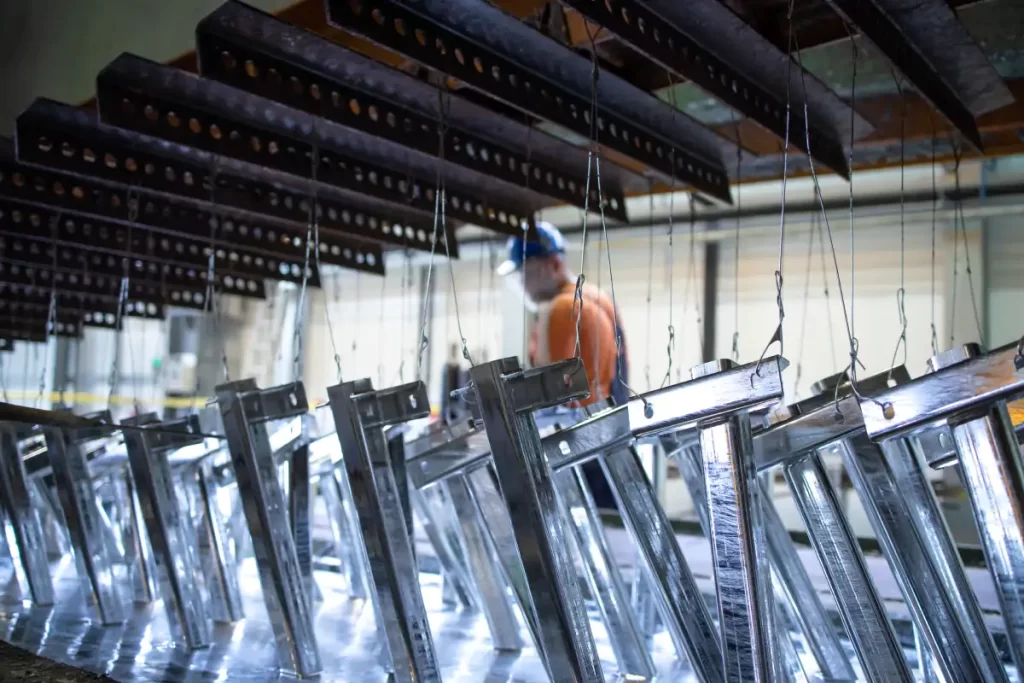
Coatings are an investment – not just in material but efficiency. The right one can last over a decade without major faults.
Chemical splash zones show wear first. Sun-exposed surfaces age differently. Recoating cycles depend on this timeline. Factoring lifetime cost lets buyers avoid cheaper products that wear fast. It’s about planning performance over time, not just first glance savings.
Durability Insights
Our coatings have been tested for moisture, salt spray, UV exposure, and wind erosion. Rust-prone zones need careful layering.
High gloss finishes can still hold up if packed with enough UV blockers. We offer ranges like KemGuard for everything from punishing rainy zones to dry chemical-rich zones that demand long-life without cracking or dulling over time.
Maintenance and Efficiency
Care doesn’t end after coating dries. Cleaning buildup, minor repair, and repaint decisions affect performance.
We recommend routine inspections at joints, edges, and under heavy-load mounts. These see action first. Maintenance checklists often include patch touch-ups and mild washing without vigorous abrasion. That keeps surface performance at expected levels without heavy relining expenses.
Technology Innovations and Market Trends
Material Science and Coating R&D
Today’s coatings do more than resist – they react intelligently. Smart coatings adjust based on heat. Nanotechnology boosts bonding pre-scale.
Our R&D team works on formulations for renewable plants, electric vehicle parts, and robotics. Green coatings – like low VOC systems – are now standard in sectors like pharma and food. Even ceramics and hybrid polymers are being shaped into newer-age protections.
Industry and Market Outlook
Demand continues rising in infrastructure, oil and gas, and marine industries. Expansion in Tier 2 cities boosts construction and power plant markets.
Supply chains dragged by global disruptions are slowly stabilising. We see preference shifting sharply toward low-VOC, quicker-drying options. Our team adapts product sets to match demand from both global EPCs and local fabrication units.
Comparative Assessments
Nano-coatings do bring exciting results – but they need precision settings and often high cost. Our high performance coatings blend availability with balanced strength.
Safety drives the shift from heavy-metal-based systems to eco-safe ones. What matters most? Durability, ease of application, safety norms, and cost. Based on your use, one coating may shine over another – even if its tech sheet looks simpler.
FAQs
What are different types of surface coating techniques?
Brushing, rolling, airless spraying, electrostatic coating, powder coating, and dip application are widely used methods.
Which coating offers the best protection in chemical environments?
2-part epoxy coatings and epoxy novolac systems provide excellent chemical resistance in harsh environments.
How do you identify the right coating for a specific substrate?
We check substrate material, exposure to temperature, and risk area. Then we match with coatings showing compatible adhesion and resistance.
What is the role of hi-pro polyester coating in industrial use?
Hi-pro polyester coatings offer UV durability and are mainly used on structural steel in buildings and outdoor environments.
Are there any coatings relevant for 3D printing and additive manufacturing?
Yes. Thermal barrier ceramics or low-friction epoxy layers improve durability and heat resistance of printed parts.
Built to Withstand, Engineered for Peace of Mind
When the stakes are high and construction timelines tighter than ever, performance can’t be uncertain. That’s why decision-makers lean into tested, top-tier coating systems – to sidestep setbacks, protect investment, and confidently move forward. The finish line should always feel like a win, not a gamble.
Reliable coatings aren’t just a technical box to tick – they’re a smart shield against unplanned shutdowns, surface wear, and harsh environments. Making the right call now saves sweat, stress, and significant maintenance costs later.
At Chembond Material Technologies, we pair high-performance coating systems with hands-on support to meet industrial demands head on.
Talk to us today – we’re ready to support your project from the surface, down to its core..