Rust never sleeps, and neither do project deadlines – it’s frustrating to manage surfaces that corrode too soon. The wrong chemical choice can burn a hole in budgets and grind progress to a messy halt.
We’ve seen good infrastructure lose years of life just due to poor surface preparation or mismatched treatments. Treating metal isn’t simply about stopping rust – it’s about endurance under harsh chemical loads and daily wear.
For civil engineers, contractors, and facility pros, this guide brings clarity where shortcuts fail. At Chembond Material Technologies, we are a leading provider of advanced surface treatment and metal finishing solutions for industrial applications, and we’re here to help guide you make the best choices – so your structures last, and problems stay solved.
Overview of Metal Treatment Chemicals in Industrial Applications
We’ve seen metal treatment define the thin line between a product that performs and one that quietly fails. Metal parts in factories, vehicles, or tools go through enormous stress daily. Without proper treatment, they degrade fast – bringing operations to a halt and eating into profits.
This guide to industrial metal treatments offers clarity. From choosing surface solutions to understanding chemical reactions, we cover practical insights based on real-world industry challenges. It’s meant for those serious about strength, reliability, and precision.
Defining Metal Treatment and Its Industrial Relevance
Metal treatment isn’t just science – it’s the first defence. It involves processes that treat a metal’s surface or structure to improve its performance. In industries like automotive, aerospace, and construction, metal quality determines durability.
With India’s push in manufacturing and infrastructure, industrial metal treatment processes are in high demand. Chemicals play a central role in cleaning, strengthening, or protecting surfaces from corrosion or wear. From railway tracks to satellite parts, treated metals stand the test of time and use.
Chemical and Physical Foundations of Metal Treatment
There’s more than one way to protect metal. Physical methods involve heat or mechanical processing. But chemical treatments use targeted reactions that connect at the molecular level – ideal when uniformity and depth are key.
Typical materials include steel, aluminium, and copper alloys. Each one needs its own preparation step before getting treated – like degreasing or acid cleaning. Our industrial metal care solutions are built around these stages, ensuring strong results from the base up.
Major Types of Metal Treatment Chemicals and Techniques
Metal surfaces aren’t naturally ready to perform – they need preparation, protection, and preservation. That’s where our types of metal treatment chemicals come in. Different techniques offer different advantages – whether you’re building a crane or coating a control panel.
Chemical Processes in Surface Treatment
Start clean, stay stronger. Cleaning agents and degreasers remove oils and debris from metal parts, setting a clean slate. Acid pickling follows to strip rust or mill scale using chemicals like hydrochloric or phosphoric acids.
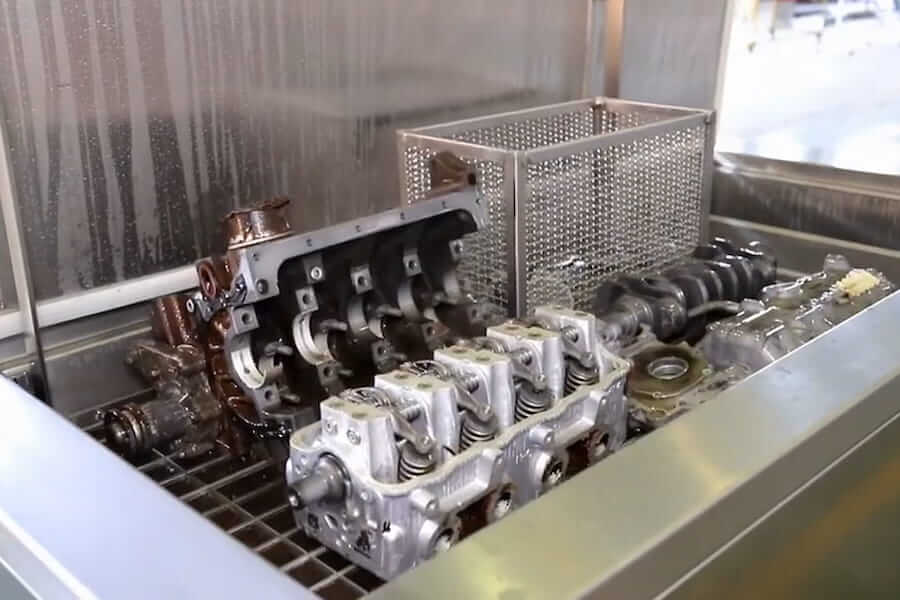
Then come treatments like passivation and sealing. These create protective layers on stainless steel or zinc components without adding any physical coating. Our chemical bath for metal parts range ensures each piece gets the right treatment, every time.
Coating and Plating Methods
This is where metal starts looking and performing better. Protective chemical coatings for metals such as zinc and manganese phosphate give better paint adhesion and added strength. We offer aluminium treatment chemicals for processes like chromate application and anodising – where layers grow from the metal itself.
Plating with nickel, chrome, or tin also boosts durability and resistance. Whether it’s decorative chrome on a two-wheeler or tin on food cans, the technique matters. Each option brings its own performance edge to the part.
Post-Treatment and Specialty Coatings
Once the base is coated, post-treatments kick in to keep things protected long term. Our chromate conversion coatings give strength to zinc and aluminium substrates by sealing the pores in the surface. We also offer cataphoretic deposition – an electrocoat method that layers paint-like protection deeply and uniformly.
Burnishing and black oxide treatments change the surface colour and reduce light reflection without adding thickness. Corrosion-reducing oils and specialty sealants top off protection for long storage or rough handling.
Industrial Applications of Metal Treatment Chemicals
From trains in Rajasthan to aircraft in Bengaluru, metal treatment plays a big role across sectors. Our aim remains steady: deliver consistent treatment results so final products function with confidence and last longer.
Automotive, Railways and Aerospace
Our automotive clients use treatments that boost both metal strength and corrosion resistance. It helps vehicle frames and engine parts stand up to heat, vibration, and acidic oils. In railway equipment, our phosphate and anti-corrosion solutions help critical brake and axle parts stay dependable.
Aerospace needs lightness with strength. Our anodising solutions for aluminium make sure aircraft alloys resist stress-rupture and corrosion even at 10,000 metres altitude.
Electronics and Packaging Industries
In the electronics space, every square millimetre counts. We use metal cleaning chemicals to create perfect surfaces for casings, brackets, and circuit covers. Stainless steel that looks pristine and conducts heat without corrosion keeps electronic devices reliable.
Food and cosmetic packaging requires safe, smooth, and attractive metal surfaces. Cleaned and passivated aluminium or tin sheets give better print adhesion and lasting shine.
General Engineering and Machine Tools
In engineering workshops, treated metal matters. It prevents rust from eating away on costly jigs and cutting dies. Our metal surface treatment products are specially designed to shield these assets from wear, even after hundreds of cycles.
Factory floors see rough treatments of parts under oil, pressure, and high heat. Coated and treated components stay serviceable, needing less downtime and repair.
Benefits and Performance Gains of Metal Treatment
Every treated surface tells a story – of reduced damage, cleaner finishes, and dependable outputs. Here’s how getting metal treatment right pays off beyond the coating layer.
Durability, Aesthetics, and Functional Enhancements
Our coatings deliver enhanced corrosion resistance by forming solid bonds with the metal layer below. This ensures the surface doesn’t flake, peel, or wear out prematurely.
Some chemicals also harden the metal surface, reducing wear from daily friction. Paint jobs bind better and last longer too, thanks to surface preparation and proper adhesion support.
Efficiency and Lifecycle Costs
Proper treatment reduces problems during painting or plating, meaning fewer rejects in your factory. Our experience with customers shows drastically reduced material rework and improved production timelines.
Fewer breakdowns also mean fewer maintenance calls. Treated metal parts often live twice as long, stretching your equipment investment further.
Selection Criteria for Metal Treatment Chemicals
Choosing a treatment chemical isn’t just chemistry – it’s strategy. Matching the right chemical with the right process drives better results across operations, safety, and cost.
Matching Chemical Properties with Application Needs
The metal, end-use location, and performance goal all influence the final chemical choice. Brass for terminals versus steel for support beams needs different treatment logic, and our chemical processes in metal treatment get as specific as required.
We also consider factors like biodegradability, safety during operation, and how easily chemicals fit into your existing setups – ensuring value across the product’s lifecycle.
Regulatory and Environmental Compliance
We strictly follow BIS, CPCB and GPCB norms. Our products come with hazard classifications and safety labels, making storage easier.
We offer RoHS and eco-compliant options for industries seeking cleaner alternatives. With the surge in green procurement policies, clients prefer partners like us for sustainable compliance without losing out on quality.
Market Landscape and Industry Trends in India
India’s metal treatment sector is undergoing strong development. With rising local manufacturing and newer technologies, Chembond is deeply involved in supporting Indian industries across categories.
Market Drivers and Industrial Developments
Policies like Make in India, along with 100% FDI in manufacturing, have created a surge in demand. From tractors to aircraft to defence, our industrial metal care expertise fits across all these factory floors.
Tool-and-die manufacturers and component outlets now seek longer-life fittings at lower costs – and we’ve designed chemical solutions to match that demand surge.
Trends in Sustainable Chemistry
Across our client base, we’re seeing big interest in low-VOC and biodegradable cleaners. Our non-toxic, bio-based solutions reduce employee exposure while still cleaning and prepping metals efficiently.
MNCs and Indian SMEs alike are shifting to products that meet environmental standards without giving up process quality. We offer products that meet both goals head-on.
Prominent Market Players
Chembond stands alongside global brands like BASF and Henkel, delivering solutions rooted in chemistry and real-world application. Our four plants and dedicated R&D centre allow us to innovate fast and customise deeper.
From Vadodara to Tarapur, our teams serve industries with transparency, value, and on-site support. Whether it’s rust prevention oil or nano-conversion coatings, we guide from lab to line.
Case Studies of Industrial Success with Metal Treatments
Our metal treatment chemicals help industries shift from reactive repairs to proactive performance. Here are some examples of where it worked exceptionally well.
Automotive Component Manufacturer
One of our auto clients replaced solvent-based degreasers with our eco-friendly alkaline options. This dropped VOC emissions and improved worker safety. Rework rates also dropped by 30% due to cleaner surfaces mid-process.
Aerospace Alloy Plant
We introduced anodising solutions that extended surface life by nearly 40%. These changes reduced corrosion under pressure loads, helping the alloy maintain performance in flight without adding extra weight.
Indian Packaging SME
Our team worked with a small but growing aluminium packaging outfit. By using our passivation and cleaning combo, they reported sharper print finish and fewer smudge rejects. First-time yields rose 20% in three months. (Verify)
Frequently Asked Questions (FAQs)
What are the best chemicals for stainless steel treatment?
Passivation chemicals are highly effective for stainless steel. Our range includes Cr+3 and Cr+6 options for different user requirements. Cleaners and acid pickling agents get the base surface ready first.
Are chromate coatings still used given environmental concerns?
Cr+6 chromates are getting phased out in sensitive industries. We offer Cr+3 alternatives that meet both performance and safety norms. These are now preferred in electronics and packaging.
Which treatment is best for corrosion in coastal environments?
Phosphate coatings followed by rust preventive oil or sealants work well. In marine zones, full coverage with cataphoretic coatings or anodising is strongly advised for extended durability.
How do I choose between phosphate and anodising treatments?
Choose phosphate for steel components needing paint. Use anodising for aluminium where conductivity or decorative finish also matters. Your application, material, and budget guide the final pick.
What is the shelf life of commonly used metal treatment chemicals?
Most metal treatment products have a shelf life of 6 to 18 months. Keep them sealed in cool, dry storage to avoid degradation. Always check batch labels before use.
Precision Matters When Every Structure Counts
Getting the right mix isn’t just science – it’s protection, performance, and peace of mind for years to come. When you’re facing aggressive environments, tight schedules, and high expectations, the wrong choice can cost more than just time. It can put your entire project at risk.
The best systems are those that work as hard as your team does – guarding every surface, boosting resilience, and keeping daily operations smooth. Choosing wisely now ensures fewer disruptions, longer life, and better ROI down the line.
At Chembond, we focus on helping you build confidently with chemical solutions that match your site’s every demand. Let’s talk about the performance that lasts – get in touch today.