Your garage floor endures more punishment than your machines, yet it rarely gets the attention it deserves until cracks start to show. Constant pressure, oil spills, and shifting loads can leave the surface stained, chipped, and unsafe. And the wrong coating can make those problems even worse.
When it comes to garage floor coatings, it’s not just about a glossy finish. Choosing between epoxy, polyaspartic, and polyurethane means understanding what really matters: cure time, slip resistance, heat tolerance, and chemical durability. The right option depends on how you use your space and how much performance you expect from your floor.
At Chembond Material, we help automotive OEMs and industrial teams pick the right floor coating to match real production needs. Our products are designed to withstand Indian conditions, ensuring your operations run smoothly and remain compliant.
Understanding Commercial Garage Floor Coatings
Every time your garage floor bears the weight of a passing forklift or catches another oil drip from a loader, it’s working harder than you think. That’s why choosing the right coating isn’t just about appearance; it’s about long-lasting protection that keeps up with your operations.
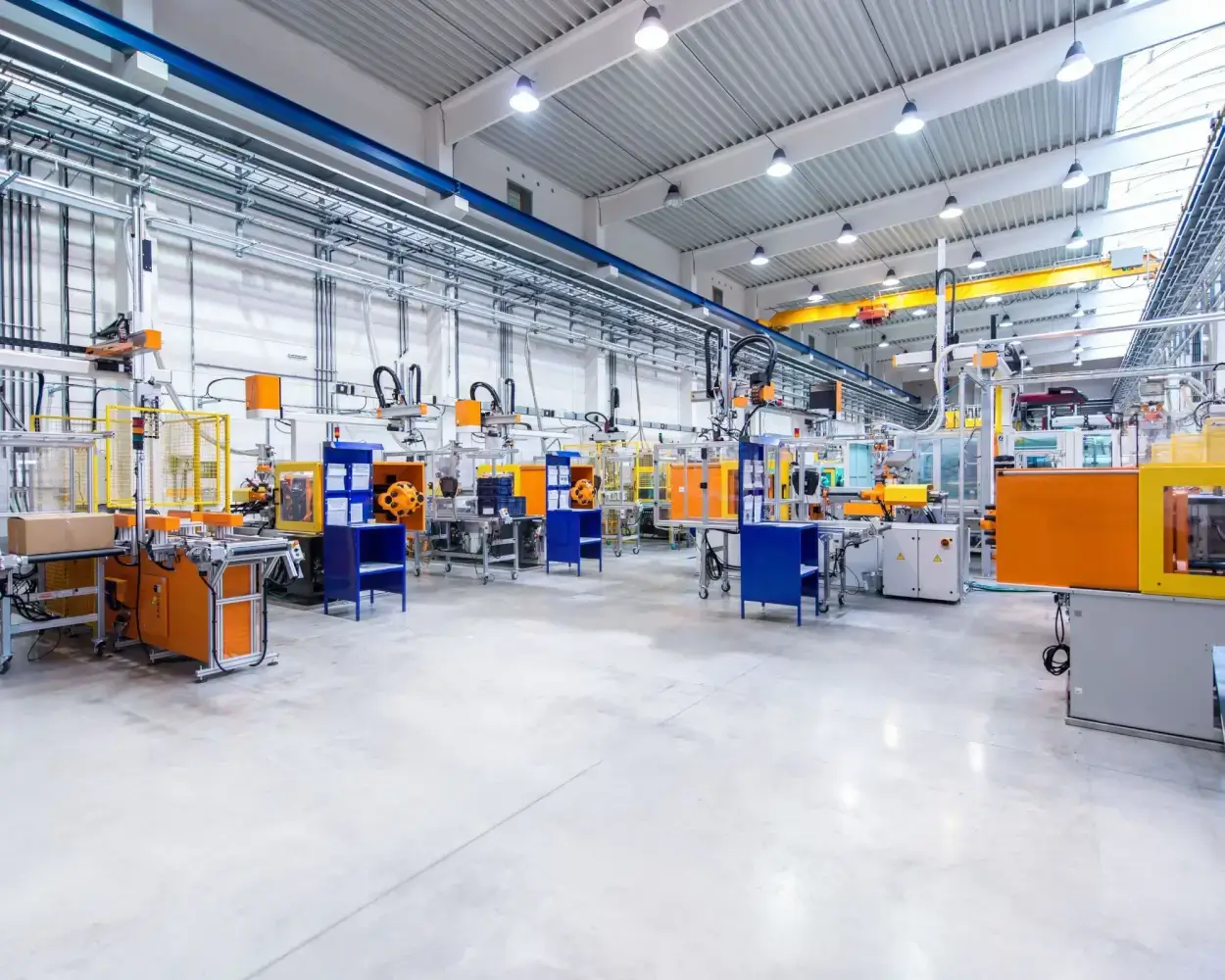
Commercial garage floor coatings are designed for endurance. They offer thicker layers, superior wear resistance, and reliable performance in the toughest conditions. Built to withstand chemical spills, constant vehicle traffic, and rigorous cleaning cycles, they surpass residential coatings that prioritise aesthetics over durability.
Key Characteristics of Commercial Garage Floor Coatings
In an industrial setting, the floor bears the brunt of footfalls, moving equipment, and high heat. Commercial-grade coatings stand out through their superior thickness and bonding strength, making them ideal for high-traffic sites.
These coatings resist abrasions, hold up against repeated cleaning, and stay strong under tyre pressure. We offer high-build coating systems that work seamlessly against heavy vehicular use and chemical drips common to auto workshops
Residential vs Commercial Garage Floor Solutions
Residential floors prioritise finishing and style, while commercial ones focus on functionality. A workshop or warehouse needs a coating that won’t peel after a few oil spills or heat spikes.
Commercial coatings use stronger base materials than residential versions. While costs might be higher upfront, they reduce repair cycles and labour downtime later. Our clients in manufacturing see value in fewer disruptions and safer working conditions.
Benefits of Investing in Commercial Grade Coatings
A good coating enhances the workspace, making it brighter, less slippery, and easier to clean. A polished, organised garage also helps employees stay productive and safe.
The coating forms a barrier against oil stains, abrasions, and moisture creep, extending your floor’s service life. We’ve seen teams cut cleaning time in half and avoid frequent shutdowns thanks to long-lasting coatings.
Types of Garage Floor Coating Systems
Each coating type brings something different to the table. Whether it’s fast-curing finishes or deep chemical bonding, we help industries match the right system with their production pace, footfall, and heat exposure.
Epoxy Coatings
Epoxy coatings offer high adhesion and create a solid layer that sticks firmly to properly prepped concrete. Once cured, they create a smooth, non-permeable base ideal for garages with medium to heavy loads.
Our epoxy systems are self-priming and hold well under constant drag or tyre rotation. They require the right drying conditions but deliver unmatched strength. We adjust thickness levels based on operational load zones.
Polyaspartic and Polyurethane Coatings
These coatings cure quickly, making them excellent when time is tight. Workshops that can’t stay shut long prefer polyaspartic or polyurethane options for overnight renovations.
UV protection keeps them from yellowing, and their glossy finish adds slip resistance without extra additives. Even in wet environments, these coatings maintain grip, which our clients in coastal cities appreciate deeply.
Garage Floor Paint vs Coatings
Paint masks the surface coatings, shielding them. Paint fades fast, chips under heat, and offers little defence beyond colour. A proper coating, though, penetrates deeper and lasts through chemical contact and heat changes.
While floor paint costs less, it needs frequent touch-ups. Our coatings, though an investment, provide better returns through durability and improved performance across years of use.
Factors to Consider When Choosing a Coating
It’s about more than just colour or cost. You need a solution matched to your workflow, cleaning schedule, chemical exposure, and budget-all while ensuring it still meets safety norms and operational goals.
Performance Requirements and Coating Features
Some garages deal with grease, welding sparks, and UV glare daily. Others sit idle under harsh monsoons. Coatings may fail in one application but succeed in another, which is why chemical resistance, UV stability, and temperature tolerance are crucial.
We help you select coatings that withstand the varied Indian climates. Whether you’re dealing with coastal humidity or dry inland heat, we guide you with full lab-tested proof.
Flooring Goals and Aesthetic Preferences
You can align your floor with your brand with coloured finishes, flake designs, or hazard zone demarcations. We customize coatings to match branding goals while improving floor safety visually.
Some clients prefer solid matte tones while others want sheen. Texture and gloss options help define space and guide movement. Our finishes hold up under cleaning and busy footfall alike.
Budget and Product Selection
Cheaper now often costs more later. We balance performance with practical pricing by sourcing materials locally across India wherever possible. That saves on logistics time and expense.
We also vet coating systems from brands known for consistency. Our options include full support with local service teams for swift repairs and supplies when needed.
Application and Installation Guidance
Even the best coating fails if installed poorly. Surface prep, right temperatures, and material layering make or break the outcome. We’ve seen brilliant coatings fail just due to skipped steps.
Surface Preparation Techniques
Before any coating touches the floor, we check for moisture spots, cracks, or oil layers. Cleaning and roughening the surface ensures better bonding.
We use approved grinders or etching to open pores in concrete. This level of prep prevents premature peeling and gives the coating something solid to hold onto.
Coating Application Best Practices
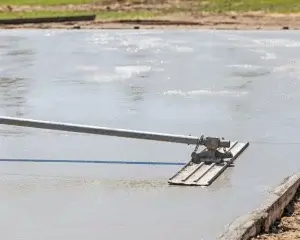
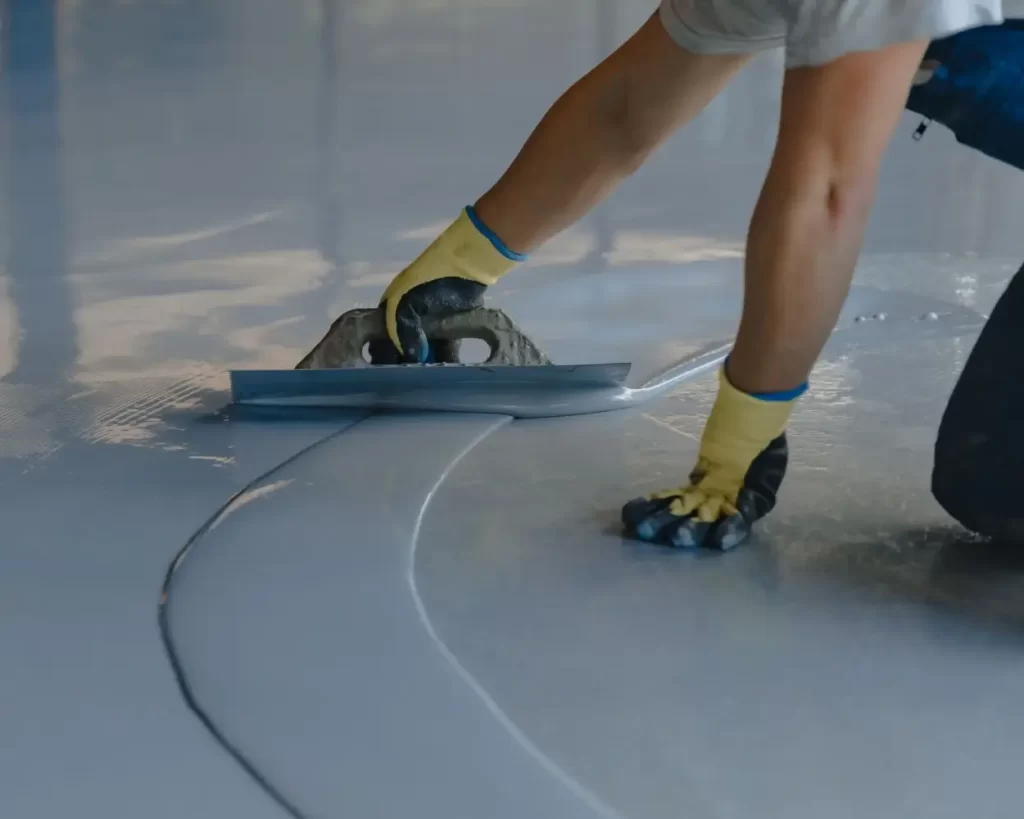
Whether you roll or spray, the application requires precision. Layering must match temperature and humidity conditions. We use tools that help spread evenly and cure perfectly.
Applying multiple layers takes time and timing. Sealers at the top lock the finish, while each base layer gets inspected for consistency and bubble-free texture.
DIY vs Professional Installation
DIY looks enough for an idle garage, but high-traffic spaces demand mistake-free finishes. A misstep in mixing or curing can lead to patches or flaking in weeks.
We recommend professional work for commercial spaces. Our teams are trained to match industrial loads and avoid risky delays or false saving attempts.
Comparison of Coating Options for Different Needs
No two operations work the same way. A warehouse moving steel parts isn’t the same as a showroom with polished SUVs. That’s why floor coating solutions vary by setting and needs.
Industrial Facilities and Warehouses
Forklifts, solvents, water, and industrial floors face it all. We recommend epoxy blends that resist scratches, hold firm under heat shock, and shrug off chemical spills easily.
Many facilities also demand thermal resistance near heating units. Our coatings stay intact despite high heat and constant cargo movement.
Commercial Garages and Retail Service Areas
Customer-facing garages need neatness, safety, and minimal downtime. Polyaspartic systems allow for overnight installations and UV durability for open-bay services.
We help our clients define bays using colour-coded finishes when needed. These add convenience for staff and structure for workflow.
Weather and Region-Specific Considerations
From the dry interiors of Gujarat to the humid coastal Maharashtra, every coating faces a different challenge. Indoors, moisture might rise through the slab, while outdoors, the sun scorches.
We offer coatings with season-round application flexibility, helping keep timelines intact, whether it’s summer, rain, or winter.
Maintenance and Longevity
Sustaining coating life is simpler than you’d expect. With regular cleaning and attention to wear spots, your floor remains sharp and safe for the long run.
Post-Application Cleaning Tips
Avoid acidic cleaners or strong abrasives. A mild cleaner or pressure wash every few days is usually enough. We guide clients on exact pH levels for cleaning agents.
Extending Coating Life and Preventing Wear
Frequent inspections help find nicks or worn zones early. Apply a fresh top coat periodically to add grip and seal again. This ensures you won’t need a full recoating soon.
Warranty and Lifespan Expectations
Our coatings typically come with a warranty of 3 to 5 years, depending on usage. Warranty covers adhesion, cracking, and curing-related issues.
Terms vary across product lines, but we always clearly disclose these upfront, providing full documentation and after-sales support.
Expert Reviews and Recommendations
Thanks to half a century of R&D and an NABL-accredited lab, our products offer reliable, field-tested performance. We guide partners using real feedback and tested product rankings.
Popular Brands and Product Ratings
We offer epoxy, polyurethane, and polyaspartic coatings from Chembond Material own range, highly rated for bonding and chemical tolerance. Field techs in automotive and industrial settings give us consistent feedback on long-term use.
Customer and Contractor Insights
Contractors praise our easy mixing instructions and timely support lines. Users find the coating speeds their operations without risking safety. Some notes reduced repaint needs and better surface reflectance under lights.
Frequently Asked Questions
What are the common problems and troubleshooting?
If bubbles or peeling occur, it’s often linked to poor prep. Re-sanding and reapplying primer usually fixes it. We offer project-specific consultations if problems recur.
What is the difference between solid and decorative flake coatings?
Solid coatings offer clean, sleek looks. Flake systems add grip and hide signs of wear. Industries with movement-heavy zones often go for flakes to improve traction.
What are the safety and finish enhancements?
Anti-slip additives improve grip and reduce slips. We also offer clear coats to seal and protect colours, enhance shine, and increase resistance against corrosives.