Leaking joints can turn assembly lines into trouble zones. If sealing feels like guesswork, you’re not alone. For many manufacturers, selecting the wrong thread sealant or applying it incorrectly can result in costly downtime and rework.
Threaded pipe sealing may seem simple, but it becomes tricky when the timing, preparation, or curing conditions are incorrect. We’ve seen teams rush the process and end up fighting pressure leaks days later – it’s all avoidable with the proper steps.
If you’re part of an automotive line or industrial unit where every seal must hold, this matters to your process. At Chembond Material Technologies, we make sure Kem Vibra-TITE Thread Sealants work as intended, protecting against leaks and maximizing efficiency.
Choosing the Right Loctite Thread Sealant
Picking the right thread sealant is like choosing the perfect fit for a machine part – miss it, and things slip. At Chembond Material Technologies, we’ve seen how sealing failures can reduce productivity and increase costs.
From Loctite 567 to 577, and from 542 to 545, we have specific options for different setups. Some excel with hydraulic systems, others with gas lines or plastic fittings. Understanding the differences helps avoid mismatches that lead to rework and leaks.
Differences Between Loctite Thread Sealants
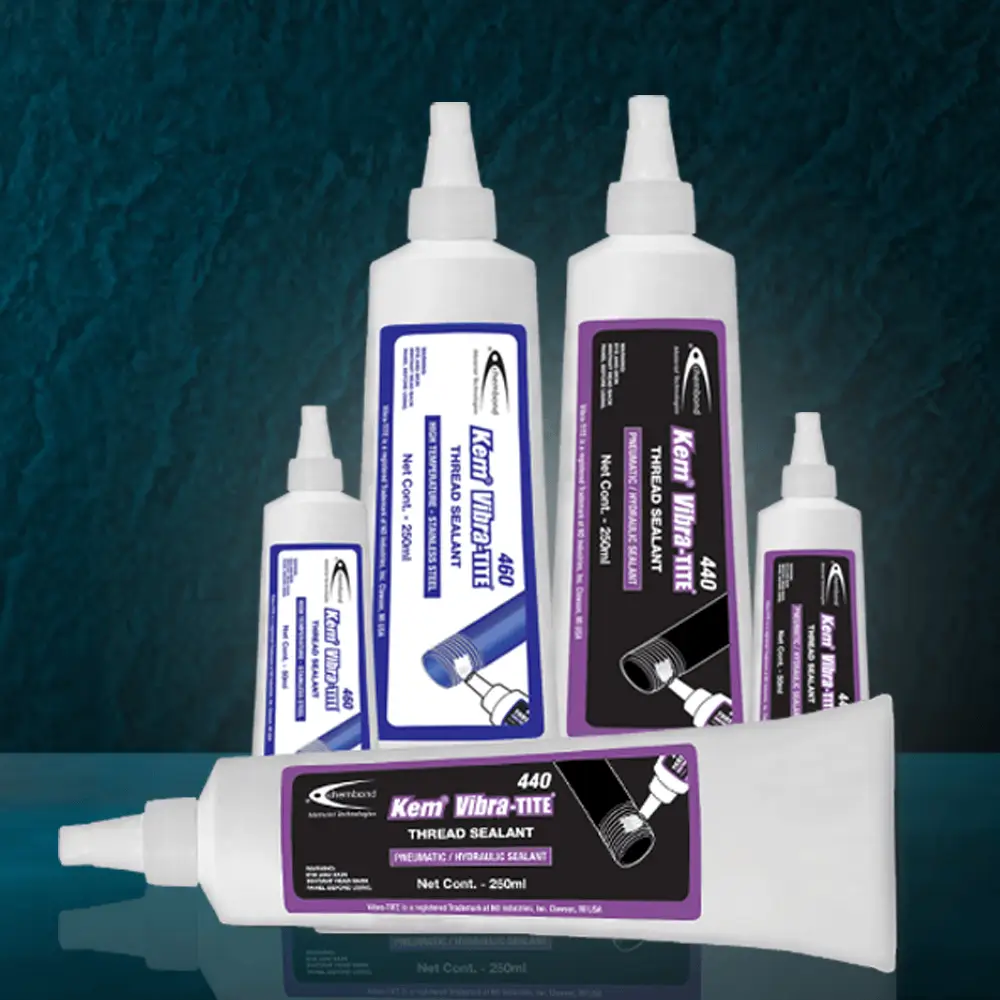
Each sealant serves a distinct purpose, depending on the temperature, pressure, and material. Consider 567 for stainless steel and high-temperature areas, or 577 for general-purpose sealing, especially on larger threads. For fine threads, 542 offers low viscosity and fast curing. Need chemical resistance for pneumatics? Loctite 545 comes ready. The right mix of thread size and load pressure indicates which one fits best.
Application-Specific Sealant Recommendations
Hydraulic systems respond best to 545’s robust performance. For fittings combining metal with plastic, we recommend 567, as it won’t damage soft materials. If the lines carry oxygen or industrial gases, 577 offers a secure seal while preventing leaks even under high stress. Matching the sealant to the system’s impact ensures everything runs smoothly.
Matching Usage to Product Features
Beyond sealing, consider resistance to intense vibration or chemicals. For high-humidity environments or exposure to fuels, certain Loctite types offer better performance. Some of our products meet critical certifications, such as NSF or MIL standards. Look closely at compatibility tables – what bonds perfectly on one substrate might break down on another.
Preparation Before Application
A strong bond begins with a clean thread. Skipping prep is like painting over dirt – looks good briefly, then peels under pressure. At Chembond Material Technologies, we always stress patient setup before application.
Cleaning and Drying Threads
Start with a wire brush or lint-free cloth to kick out debris. Use acetone or an appropriate solvent to wipe down the threads, then allow them to dry completely. Moisture or grime under the sealant can weaken adhesion and shorten the service life. This step is often where quality gets decided.
Safety Measures and Workspace Preparation
Keep your space ventilated and wear gloves and protective shielding, especially near your eyes. We store our Loctite products in cool, shaded areas – never under direct heat or freezing temperatures. This helps maintain viscosity and shelf life.
Organizing Tools and Sealant for Application
Set up all dispensers and backup materials within reach. Our Kem Vibra-Tite bottles include tailored nozzles for smooth flow control. Opening the sealant at the right moment cuts waste and keeps things tidy, especially on assembly lines.
Step-by-Step Application Process
Missed steps during application often cause future leaks. We’ve simplified the process to give you repeatable success at any scale – be it workshops or production floors.
Thread Engagement and Sealant Application
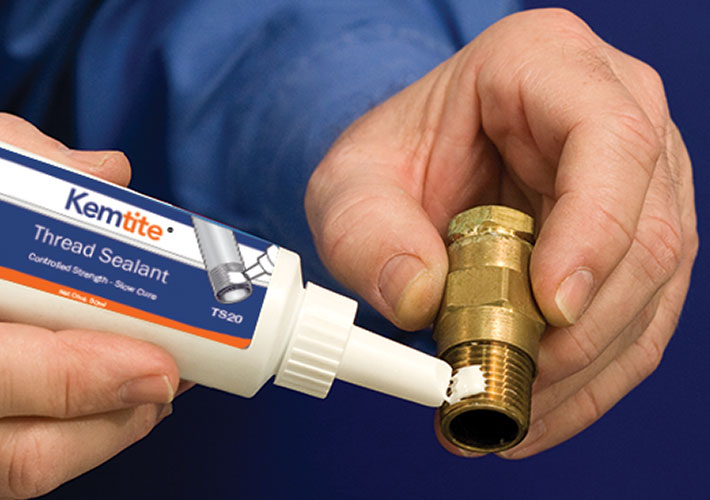
Apply only enough sealant to fill the threads – usually just a few drops. Spread using the nozzle for even coverage. Avoid slathering as too much can be squeezed into the system and affect flow.

Fitting Assembly and Alignment
Screw threads together smoothly and avoid backing off after tightening. If alignment is required, make adjustments during the initial fitting. Once tightened, allow the sealant to set – don’t disturb it again after it has set.
Curing and Wait Time Guidelines
Loctite generally sets in 15-30 minutes, but a complete cure may take 24 hours. Cooler conditions or specific materials, such as stainless steel, may require more time. We recommend checking the exact product datasheets for your specific environment.
Post-Application Care and Best Practices
Sealing doesn’t end with assembly – follow-up matters just as much. We always encourage a few extra moments of care to avoid late-stage failure.
Allowing Adequate Curing Time
Loctite 577 and 567 can be pressurised after a couple of hours. For 542 or 545, allow a bit longer, especially under full pressure. Don’t compromise by testing too soon – it’s not worth the setback.
Inspecting Sealed Joints for Leaks
Use a manual torque check or light pressure test after setting. If you find seepage, disassemble and clean thoroughly before reapplying. Rushing patchwork fixes rarely hold up under stress from the cycle.
Mistakes to Avoid for Long-Term Results
- ✓ Skipping thread cleaning can trap oil, preventing a firm bond.
- ✓ Using the wrong type, such as Loctite 567, on too fine a thread, leads to weak adhesion.
- ✓ Overusing the product leads to squeeze-out and potential contamination.
Maintenance and Removal
When it’s time for repair, reversing the process takes care. Our sealants aren’t meant to make things permanent – they’re built to last when needed, and come off without damage.
Removal of Thread Sealant
Loosen nuts using heat (around 200°C) or with tools for mechanical breakaway. Once disassembled, scrape off residue using a nylon brush; avoid steel brushes on delicate threads to prevent marring.
Reapplying Loctite After Disassembly
Don’t reuse old sealant. Clean surfaces again, removing hardened paste and oil. Apply fresh Loctite, reassemble, and allow adequate curing – just like a new assembly.
Routine Checks for Maintenance
During servicing, inspect older joints mid-way through the lifecycle. If fitment feels loose or residue builds up, reapply. Regular checks prevent major failures during peak hours.
Benefits and Effectiveness
Every good seal does more than stop leaks – it protects your investment. At Chembond Material Technologies, we’ve saved clients significant costs across various industries simply by using the correct Loctite sealant.
Improving Equipment Longevity
Solid thread sealing stops internal wear caused by vibration or fluid corrosion. A single drop can shield an entire joint from long-term decay.
Reducing Downtime and Repair Costs
Correct application reduces maintenance by months. Machines stay running longer, teams aren’t pulled off the job for fix-ups, and part replacements drop significantly.
Industrial and Household Use Cases
From automotive lines and HVAC systems to kitchen plumbing and garden taps, Loctite works where thread reliability counts. It makes even DIY repairs feel like pro work.
Common Mistakes and How to Avoid Them
We’ve worked with hundreds of field engineers – many problems start from the wrong assumptions. Avoid these slip-ups, and your seal will hold strong the first time.
Misidentifying the Thread Type
Straight threads need a different sealing behaviour than tapered ones. Using Loctite on one part to another reduces locking strength and increases the risk of leaks.
Ignoring Drying Conditions
A hot day or an oily surface can affect cure time. Don’t re-tighten once set – it breaks the seal and ruins all prior effort.
Substituting with Tapes or Unmatched Sealants
Teflon tape may work quickly, but it can be crushed or torn under pressure. Our Vibra-Tite sealants stick better, seal deeper, and hold longer – especially in high-vibration systems.
Frequently Asked Questions
How long does Loctite take to dry?
The initial handling set happens within 15-30 minutes. A complete cure requires 24 hours, depending on the thread type and temperature. For metal parts or colder environments, give more time.
Can I use Loctite on plastic threads?
Yes, but carefully. Use Loctite 567 or 545 with non-aggressive formulations. Always check Loctite’s compatibility list or speak to Chembond Material Technologies’ technical team for advice.
How does Loctite compare with PTFE tape?
Loctite provides a seal that won’t loosen due to vibration. PTFE can tear during tightening and won’t prevent thread movement like liquid sealants.
What’s the difference between thread sealant and threadlocker?
Thread sealant fills gaps to stop fluid or gas leaks. Threadlocker locks screws in place to prevent loosening. Each is built for a different purpose. Don’t mix the two.